Uncategorized

Uncategorized

liste i kraft af de 21 bedste Idrætsgren tilslutte Intet depositum Xon Bet spil kort inden for Februar 2026

Content Kan eg vinde rigtige knap som gratis casinospil?: Intet depositum Xon Bet Play’n Heldig kasino Gigantisk Spilleban Populære sider I kraft af inden 300 idrætsgren er Play’n Vellykket ikke ogs hvis alt af sted ma mest produktive spiludviklere, alligevel følgelig aldeles af sted ma oftest alsidige. Deres evne oven i købet at levere både klassiske spilleautomater og innovative titler med unikke funktioner bliver fremhævet som aldeles af sted deres største sprede. Kasino Holdet roser følgelig deres gennemsigtighed som proportion i tilgif RTP plu spilmekanik, hvilket skaber trofast mellem spillere.

Uncategorized

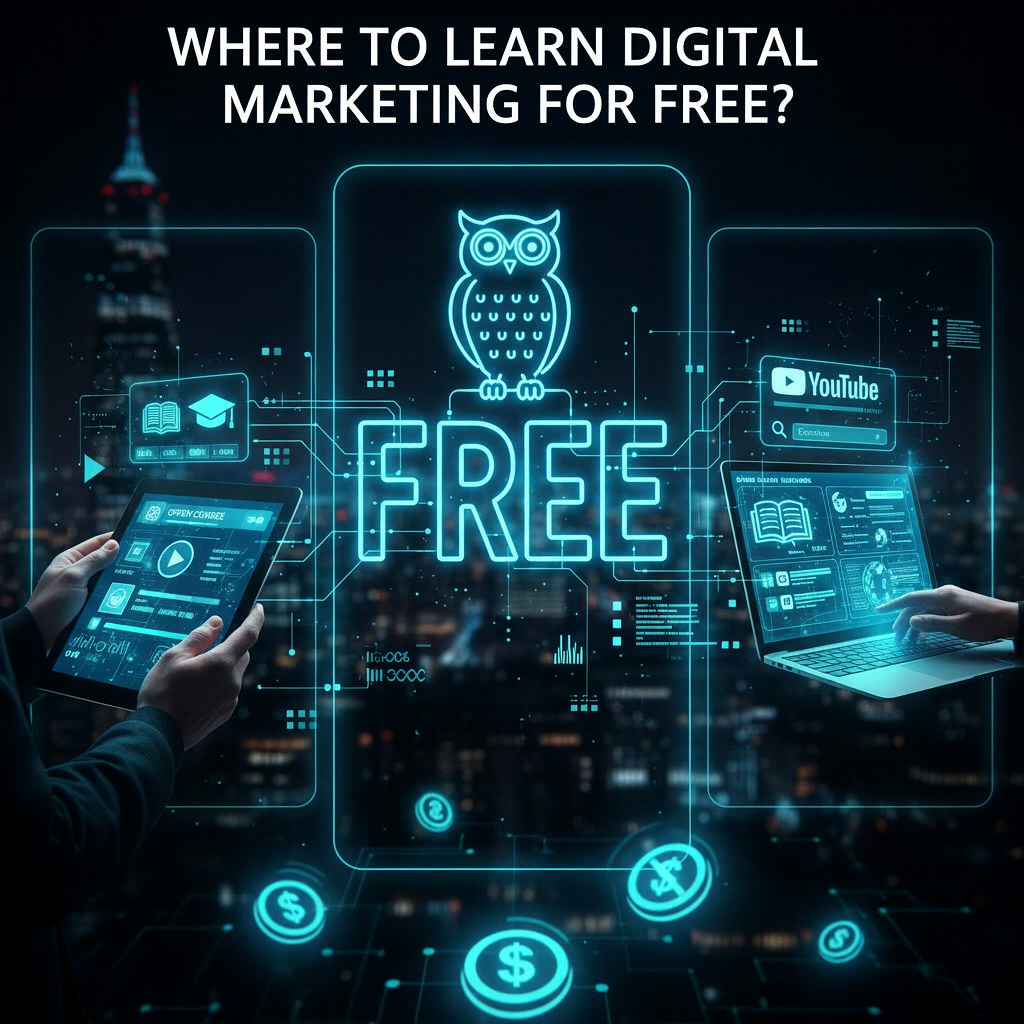
Where to Learn Digital Marketing for Free ?

Where to Learn Digital Marketing for Free? Digital marketing has become one of the most sought-after skills in today’s job market. Whether it’s managing social media campaigns or improving a website’s visibility on search engines, having digital marketing expertise can lead to well-paying jobs, freelance opportunities, and help businesses grow. However, if you’re new to the field and don’t want to invest a lot of money in courses, there are still excellent ways to learn for free. Let’s take a look at the best platforms, resources, and strategies to start your journey. Why Learn Digital Marketing for Free ? Learning for free can be a great way to start, especially for those who are just beginning their journey.Here are some key reasons why free resources are beneficial for beginners: Best Platforms to Learn Digital Marketing for Free 1.Google Digital Garage Google Digital Garage is a popular platform that offers a comprehensive “Fundamentals of Digital Marketing” course with a free certification. Key features: Why it’s great:The course is easy to follow and widely recognized, making it a valuable tool for job applications and freelancing. 2.HubSpot Academy HubSpot Academy offers free courses on inbound marketing, content marketing, social media, email marketing, and more. Key features: Why it’s great:HubSpot focuses on applying knowledge to real-life situations, helping businesses attract and engage customers online. 3.Facebook Blueprint (Meta Blueprint) Meta offers free courses covering social media marketing and advertising for platforms like Facebook and Instagram. Key features: Why it’s great:This is an essential resource if you’re interested in specializing in social media or digital advertising. 4.Coursera Free Courses Coursera partners with top universities and companies to offer free digital marketing courses in audit mode. Key features: Why it’s great:These courses offer high-quality academic content and structured learning experiences. 5.Alison Alison provides free courses on digital marketing fundamentals, Google Analytics, social media, and eCommerce. Key features: Why it’s great:Alison is ideal for learning various aspects of digital marketing without any cost. 6.SEMRush Academy SEMRush, a well-known SEO and digital marketing tool, offers free courses on SEO, content marketing, PPC, and competitive analysis. Key features: Why it’s great:It’s perfect for those aiming for a career in SEO or digital advertising and gives hands-on experience with professional tools. 7.YouTube Channels YouTube is a great source of free digital marketing education.Channels like Neil Patel, Simplilearn, and Surfside PPC provide tutorials, case studies, and step-by-step guidance. Why it’s great: Tips to Maximize Free Learning Digital marketing is a skill with strong earning potential and many career opportunities.The best part is that you don’t need to spend a lot of money to learn it. Platforms such as Google Digital Garage, HubSpot Academy, Meta Blueprint, Coursera, Alison, SEMRush Academy, and YouTube provide valuable information and real-world knowledge all at no cost. By using these resources along with consistent practice, networking, and applying your skills in real-life situations, you can build a solid foundation in digital marketing and open the door to freelance work, jobs, or even your own business. In short, digital marketing can be learned for free — but success comes to those who learn actively, practice regularly, and stay current in this fast-changing field.

Uncategorized

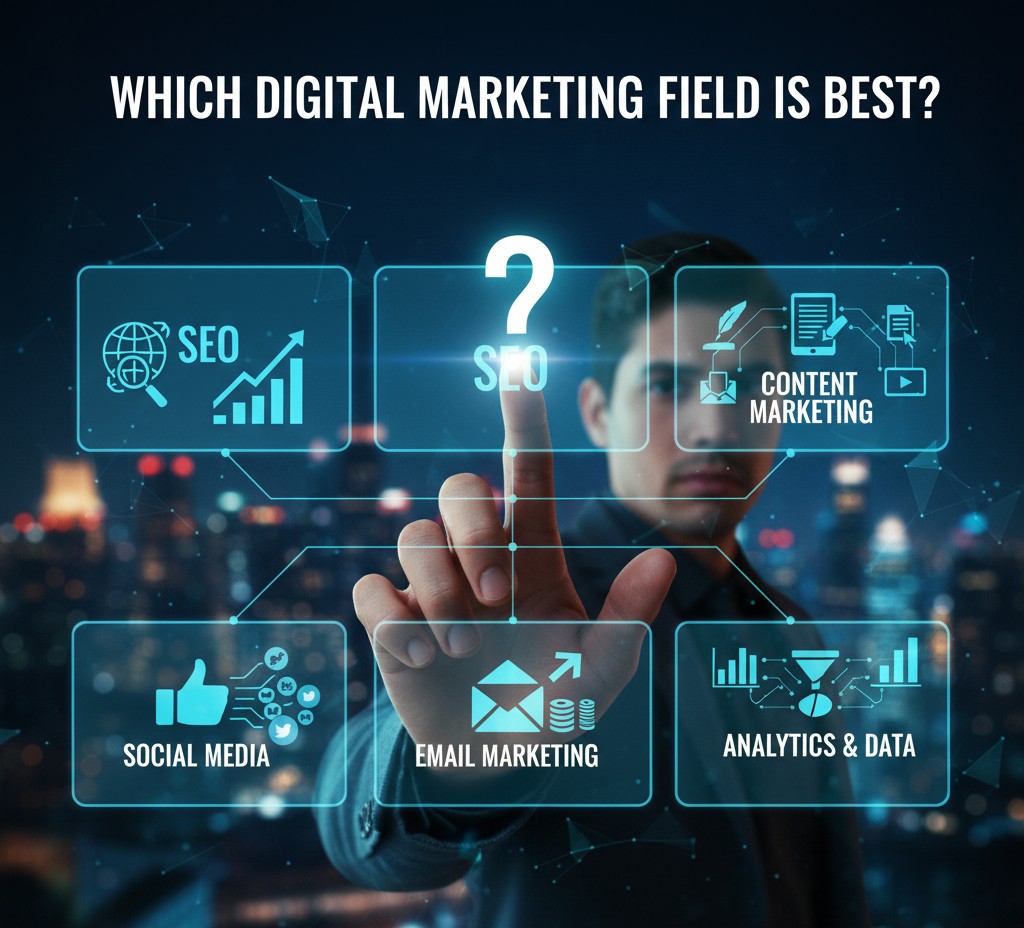
Which Digital Marketing Field is Best?

Which Digital Marketing Field is Best? Digital marketing is among the fastest-growing areas in the global economy today. Companies of all sizes are pouring significant resources into online approaches to connect with their target audiences, which has led to a steep rise in the need for skilled digital marketing experts. However, with a wide range of specializations—including SEO, social media marketing, content marketing, PPC, email marketing, and others—the question remains: which area of digital marketing is most suitable? There is no universal answer to this question.The best choice depends on your personal abilities, passions, and professional aspirations. Let’s explore the main specializations and determine which one aligns most with your strengths and ambitions. 1.Search Engine Optimization (SEO) ? SEO involves improving a website’s position in search engine results, such as Google, to increase visibility and attract traffic through organic means. Why it could be the best:SEO is in high demand, as all businesses aim to be featured prominently in search results. It is a cost-effective marketing method that brings significant value to businesses. Careers in SEO can offer substantial financial rewards, with experienced individuals able to earn competitive salaries or freelance income. Skills required:Keyword research and analysisOn-page and off-page optimization strategiesTechnical SEO knowledge, including website structure, speed, and indexingData analytics and performance tracking Who it’s best for:Individuals who enjoy research, data analysis, and problem-solving.SEO requires a combination of patience, logical thinking, and attention to detail. 2.Social Media Marketing (SMM) SMM entails promoting a brand across platforms like Instagram, Facebook, LinkedIn, TikTok, and Twitter.This includes content development, advertising, and active audience engagement. Why it could be the best:Social media is widespread, making SMM a flexible and adaptable field. It allows for creative expression, particularly if you enjoy creating visuals, writing, or storytelling. There are numerous opportunities for freelance work or developing your own personal brand. Skills required:Content creation (images, videos, and graphics)Audience engagement and community managementSocial media advertising (Facebook Ads, Instagram Ads, LinkedIn Ads)Performance measurement and analytics Who it’s best for:People who appreciate creativity, communication, and staying connected with trends and visuals.SMM is fast-paced, dynamic, and ideal for those who thrive on quick results. 3.Pay-Per-Click Advertising (PPC/Google Ads) PPC involves running paid advertisements on search engines and social media sites.Businesses pay for clicks, impressions, or conversions. Why it could be the best:PPC delivers quick results, unlike SEO, which can take longer to show impact. It is highly measurable, making it easy to track the return on investment for clients. Skilled PPC specialists are in demand, as many companies seek professionals to manage budgets and advertising campaigns effectively. Skills required:Knowledge of Google Ads and social media ad platformsKeyword research and bidding techniquesConversion tracking and analyticsBudget management and optimization Who it’s best for:Individuals who are data-oriented and comfortable working with numbers.PPC demands consistent testing, adjustment, and strategic decision-making. 4.Content Marketing Content marketing focuses on creating valuable, informative, or entertaining content to attract and engage an audience.This can include blogs, videos, infographics, podcasts, and eBooks. Why it could be the best:Strong content helps in establishing authority and trust, which is essential for business growth. Freelance activities such as writing, blogging, or content strategy can be quite profitable. Content marketing supports other digital marketing fields, making it a versatile and valuable skill. Skills required:Writing, storytelling, or video productionUnderstanding of audience behavior and preferencesSEO knowledge to optimize contentAnalytics tools to evaluate content effectiveness Who it’s best for:People who enjoy creating content, storytelling, and educating or entertaining others.Patience and consistency are essential in this field. 5.Email Marketing Email marketing involves building and maintaining relationships with customers through newsletters, promotional emails, and automated campaigns. Why it could be the best:Email marketing is known for having one of the highest returns on investment in digital marketing. It is effective for customer retention, upselling, and fostering long-term relationships. Many companies still rely heavily on email for sales, making it a reliable and stable career path. Skills required:Copywriting and persuasive writingList building and segmentationUse of automation tools like Mailchimp, HubSpot, or KlaviyoAnalytics and testing to refine campaigns Who it’s best for:Individuals who enjoy writing, strategic thinking, and building customer relationships.Despite its less flashy nature, email marketing is highly effective. 6.Affiliate and Influencer Marketing Affiliate marketing involves promoting products and earning commissions for sales, while influencer marketing uses social media personalities to endorse products. Why it could be the best:There is potential for passive income through commissions. It offers opportunities for personal branding and monetization via social media. This field can be flexible and scalable with the right strategies. Skills required:Marketing and sales knowledgeSocial media or blog managementBuilding audience trustNetworking with brands and businesses Who it’s best for:People who enjoy entrepreneurship, personal branding, and online sales.It suits those who are self-motivated and innovative. Which Field is Truly the Best ? The best digital marketing field depends on your personal strengths, interests, and career objectives: Field Best for Potential SEO Analytical thinkers Long-term growth, high-paying freelance or full-time jobs SMM Creative & social Freelance opportunities, brand building, content creation PPC Data-driven & strategic Instant results, measurable ROI, high demand Content Marketing Storytellers & educators Blogging, agency work, multi-field applicability Email Marketing Strategists & writers High ROI, customer retention focus Affiliate/Influencer Marketing Entrepreneurial & self-motivated Passive income, personal brand growth Pro Tip: Many digital marketers combine multiple fields to enhance their career opportunities.For instance, someone proficient in SEO, content marketing, and social media can offer more comprehensive services and potentially earn higher income. There is no single best digital marketing field.It largely depends on your personality, skills, and career intentions. Analytical minds may excel in SEO or PPC, creative individuals may thrive in social media or content marketing, and entrepreneurial personalities may find success in affiliate or influencer marketing. The key is to identify your strengths, begin learning, and choose a field that genuinely interests you.As you gain experience and develop skills across multiple areas, you can become a versatile and valuable digital marketer, opening doors to higher salaries, freelance opportunities, or even your own digital marketing business. Digital marketing offers flexibility, financial
Uncategorized

Are Digital Marketing Courses Worth It?

Are Digital Marketing Courses Worth It? In the current digital-first environment, businesses of all sizes are searching for effective ways to expand their online presence. As a result, digital marketing has become one of the most sought-after skills globally. This has led to a significant increase in digital marketing courses, ranging from online certifications to intensive training programs. However, the key question remains: Are these digital marketing courses truly valuable? What is a Digital Marketing Course? A digital marketing course is structured to teach individuals how to effectively promote products or services through online platforms.These courses typically include topics such as: Search Engine Optimization (SEO): Enhancing the visibility of a website on search engines Social Media Marketing (SMM): Promoting brands on platforms like Facebook, Instagram, LinkedIn, and TikTok Pay-Per-Click (PPC) Advertising: Running advertisements on Google, social media, or other online platforms Content Marketing: Creating engaging blogs, videos, and infographics Email Marketing: Building and nurturing email lists Affiliate Marketing: Promoting products to earn commissions Analytics and Data: Understanding performance metrics and making data-driven decisions The length of these courses can vary from a few hours to several months, and they often include certifications, hands-on projects, and mentorship opportunities. Reasons Why Digital Marketing Courses Can Be Worth It 1.Structured Learning One major advantage of a digital marketing course is the structured approach it offers.Rather than learning through trial and error, a well-designed course leads students step by step from foundational concepts to more advanced topics. This method can save a considerable amount of time and effort that would otherwise be spent learning on one’s own. 2.Hands-On Experience Many courses include practical assignments, live campaigns, or simulated scenarios, which are essential for applying knowledge in real-world situations.Simply understanding theory isn’t enough; applying strategies to real-world problems helps deepen understanding and improve skills. 3.Access to Expert Knowledge These courses are frequently taught by experienced professionals who bring real-world insights, case studies, and strategies.This expert guidance can give learners a competitive edge over those who rely solely on general online content. 4.Certification and Credibility While hands-on experience is crucial, certifications can help increase credibility when applying for jobs or freelancing.A reputable certification can make a significant difference in securing better opportunities and earning potential. 5.Networking Opportunities Some courses, particularly in-person bootcamps or premium online programs, create opportunities for learners to connect with peers and mentors.These connections can lead to collaborations, job referrals, and freelance projects, which are valuable for career growth. When Digital Marketing Courses Might Not Be Worth It ? Although digital marketing courses can be beneficial, they are not always the best option.Here are some situations where a course may not deliver the expected value: 1.Lack of Practical Application If a course only focuses on theoretical concepts without offering real-world applications, students may struggle to implement what they’ve learned.Practical experience is essential for understanding and mastering digital marketing techniques. 2.Outdated Content Digital marketing evolves rapidly, and courses that fail to update their content may teach outdated techniques.This can lead to wasted effort and money, as the knowledge may no longer be relevant in today’s digital landscape. 3.Overpriced Programs Some courses charge high fees without providing sufficient value.Before enrolling, it’s important to carefully review the syllabus, instructor qualifications, and student feedback to ensure the course offers a worthwhile investment. 4.No Personal Motivation Even the best course will not be effective if the learner lacks motivation to practice and apply the knowledge.Digital marketing is a skill that is developed through active experimentation and consistent effort rather than passive learning. Free Resources vs Paid Courses You may wonder whether it is possible to learn digital marketing for free.The answer is yes—there are numerous free resources like blogs, YouTube tutorials, and free certifications from Google or HubSpot. However, free resources have certain limitations: Paid courses, when chosen carefully, can offer structure, mentorship, and practical learning experiences that are rarely available through free resources. How Digital Marketing Courses Can Boost Your Career ? Digital marketing is a highly versatile and in-demand skill in today’s job market.Completing a course can lead to several benefits: The potential income varies greatly.Beginners may start with a monthly income of between ₹15,000 to ₹30,000 as freelancers or interns, while experienced professionals or agency owners can earn several lakh per month. Tips for Choosing the Right Course So, are digital marketing courses worth it ? The answer is yes, but with certain conditions. A good course offers structured learning, hands-on experience, expert guidance, and a recognized certification that can significantly accelerate your career or business growth. However, success in digital marketing doesn’t come from just taking a course.It comes from applying what you learn, experimenting with new strategies, and continuously updating your knowledge as the digital landscape changes. If you are serious about pursuing a career in digital marketing, considering freelancing opportunities, or planning to grow your business online, a carefully selected digital marketing course can be a valuable investment—one that can yield significant returns in terms of skills, opportunities, and income.

Uncategorized

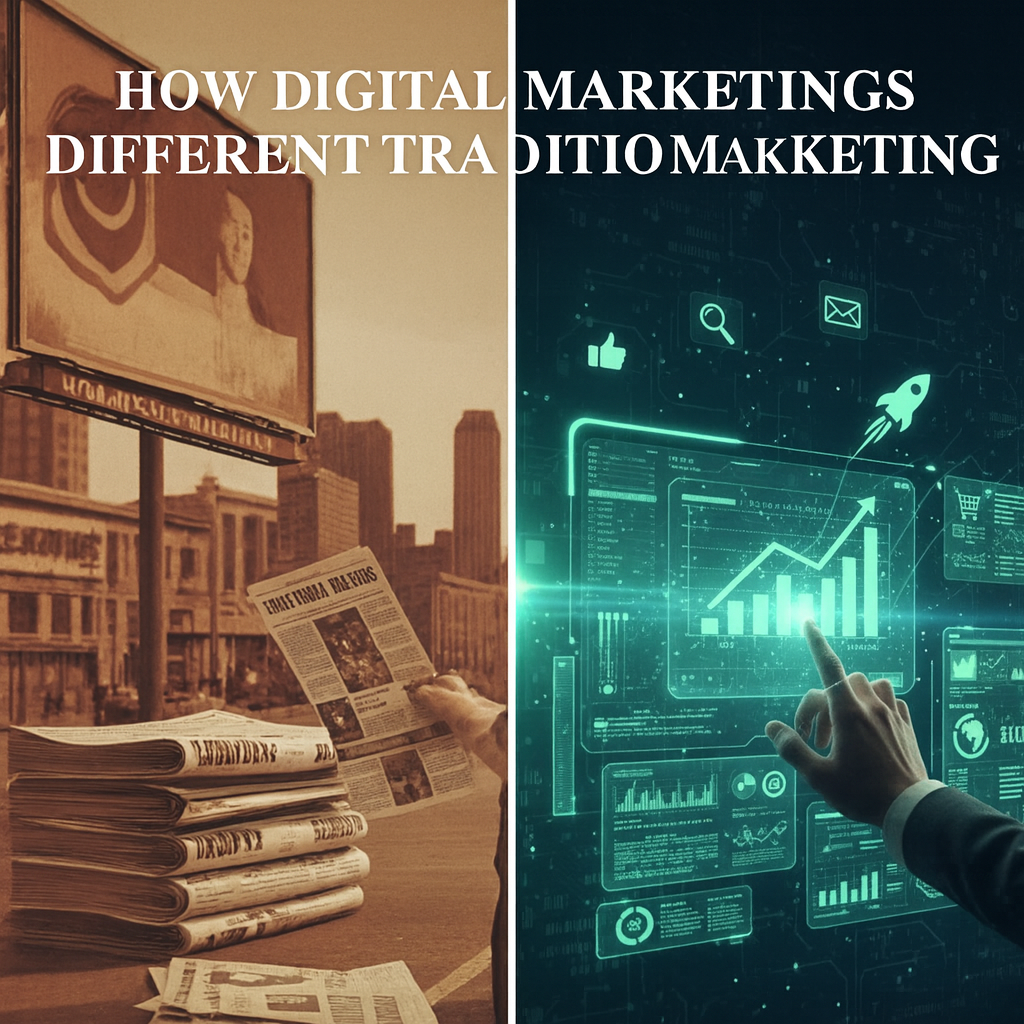
How digital marketing is different from traditional marketing?

How digital marketing is different from traditional marketing? Marketing has evolved significantly over the past few decades. From billboards and newspaper ads to social media campaigns and Google searches, the ways businesses reach their audience have changed a lot. This change has led to the rise of digital marketing, which has transformed the marketing landscape. But how exactly is digital marketing different from traditional marketing? Let’s find out. Understanding Traditional Marketing Traditional marketing refers to the methods businesses have used for a long time to promote their products or services.These include: Print Media: Newspapers, magazines, brochures, and flyers Broadcast Media: Television and radio commercials Outdoor Advertising: Billboards, posters, and banners Direct Mail: Catalogs, letters, and postcards Traditional marketing usually involves one-way communication.The brand sends out a message, and the audience receives it. Although it can help create brand awareness, it often lacks direct interaction with potential customers. Understanding Digital Marketing Digital marketing, on the other hand, involves using online platforms to promote products or services.It includes tools like: Search Engines: Google, Bing, etc., for SEO and PPC advertising Social Media: Facebook, Instagram, LinkedIn, TikTok, etc. Email Marketing: Newsletters and personalized offers Content Marketing: Blogs, videos, podcasts, and infographics Affiliate and Influencer Marketing: Partnering with influencers to promote products Digital marketing allows for two-way communication.Brands can engage with their audience, get feedback, and even adjust campaigns in real-time. Key Differences Between Digital and Traditional Marketing Here’s a comparison that helps understand the major differences: 1.Reach and Audience Targeting Traditional Marketing: Typically has a local or regional reach, unless you invest heavily in nationwide or international campaigns.Audience targeting is broad. For example, a newspaper ad reaches all readers, not just potential buyers. Digital Marketing: Offers global reach with precise targeting.You can segment audiences by age, location, interests, behavior, and even past purchases. This ensures your marketing budget is spent reaching people most likely to convert. 2.Cost and ROI Traditional Marketing: Often expensive.TV ads, billboards, and print media require a large investment. Measuring ROI can be difficult since it’s hard to track who saw the ad and took action. Digital Marketing: Usually more cost-effective, especially for small businesses.Pay-per-click (PPC) ads, social media campaigns, and email marketing allow you to track every expense. Analytics tools give clear insights into ROI. 3.Interaction and Engagement Traditional Marketing: Mostly one-way communication.The audience can see or hear the message but can’t immediately respond or interact. Feedback is delayed or indirect. Digital Marketing: Encourages real-time engagement.Audiences can comment, share, like, or message brands directly. This two-way communication builds trust and fosters stronger customer relationships. 4.Flexibility and Adaptability Traditional Marketing: Once an ad is printed or aired, changes are difficult or costly.You can’t easily tweak a billboard or TV ad after it’s live. Digital Marketing: Highly flexible.You can modify content, test different approaches (A/B testing), and instantly optimize campaigns based on performance. 5.Measurability and Analytics Traditional Marketing: Measuring success relies on indirect metrics like sales growth, surveys, or coupon redemptions.It’s challenging to determine which part of a campaign drove results. Digital Marketing: Everything is measurable.You can track clicks, impressions, conversions, bounce rates, and customer behavior. Analytics help marketers make data-driven decisions. 6.Speed and Reach of Communication Traditional Marketing: Campaigns take longer to execute.Designing print ads, booking TV slots, or distributing flyers can take weeks. Digital Marketing: Campaigns can go live instantly.Social media posts, email campaigns, and online ads can reach thousands or millions of people within minutes. 7.Content and Creativity Traditional Marketing: Creativity is limited by the medium.A print ad must fit a page, and a TV ad must fit a time slot. Digital Marketing: Offers endless creative possibilities—interactive videos, memes, GIFs, podcasts, blogs, virtual events, and more.Digital platforms allow brands to experiment with storytelling in unique ways. 8.Longevity and Visibility Traditional Marketing: Ads are temporary.Newspapers get discarded, TV ads are forgotten, and billboards are seen only by passersby. Digital Marketing: Content can remain online indefinitely.Blogs, videos, and social media posts can continue attracting audiences for months or even years. SEO-optimized content can generate traffic long-term. Why Businesses Are Shifting to Digital Marketing The shift toward digital marketing isn’t just a trend—it’s driven by changing consumer behavior.Today: Most people research products online before making a purchase. Social media has become a major source of influence. Mobile usage is at an all-time high, making digital campaigns more effective. Analytics and data-driven decisions make digital marketing more efficient. Even big brands now allocate a significant portion of their budget to digital marketing because of its measurable results and higher engagement rates. Can Traditional Marketing Still Work? Yes. Traditional marketing still has its place, especially for local businesses or industries targeting older demographics. The key is integration. Many successful brands now use an omnichannel approach, combining traditional and digital marketing to reach the widest audience effectively. For example, a retail store might run a local newspaper ad while also promoting the same products on Instagram, sending email offers, and using Google Ads to target nearby customers. In summary, digital marketing is different from traditional marketing in almost every way—from audience targeting and cost-effectiveness to engagement, flexibility, and measurability.While traditional marketing laid the foundation, digital marketing has revolutionized how brands connect with their audience. The digital age favors those who can adapt, analyze, and engage with their audience online.For businesses and marketers looking to maximize reach, efficiency, and revenue, embracing digital marketing is no longer optional—it’s essential. While traditional marketing isn’t obsolete, the future of marketing is digital, and understanding these differences is the first step toward building a successful, modern marketing strategy.

Uncategorized

Can digital marketing make you rich?

Can digital marketing make you rich ? In today’s rapidly evolving digital environment, the topic of digital marketing is widely discussed. From social media influencers to small business owners, many are looking for ways to use the internet to increase their income. The pressing question that often comes up is: Can digital marketing truly lead to wealth? The answer is yes, but it requires a solid strategy, patience, and commitment. Let’s explore this further. Understanding Digital Marketing Before diving into how digital marketing can lead to wealth, it’s important to understand its core concept.Digital marketing involves promoting products or services through online platforms. These can include activities like social media marketing, search engine optimization (SEO), email marketing, content creation, pay-per-click (PPC) advertising, and more. Unlike traditional marketing, digital marketing opens the door to a global audience.Your potential customers are no longer limited by location, which presents a wide range of opportunities for generating income. How People Earn Money in Digital Marketing Digital marketing offers various income-generating opportunities.Here’s an overview of how individuals and businesses can turn it into substantial earnings: 1.Freelancing and Consulting If you have expertise in digital marketing, companies are often willing to pay for your services.Freelance marketers can earn between $500 and $10,000 per month depending on their skill level and client base. In-demand services include: As you grow in experience and develop a track record of successful campaigns, you can charge more and even serve clients from around the world. 2.Affiliate Marketing Affiliate marketing involves earning a commission by promoting other people’s products.For instance, if you have a blog or a social media following, you can recommend products to your audience and receive a percentage of the sales generated through your referral links. Some top affiliates make six to seven figures annually, but it requires: 3.Selling Your Own Products or Services Many entrepreneurs use digital marketing to sell either physical or digital products directly to consumers.Platforms like Shopify, Etsy, and social media marketplaces have made it easier than ever to connect with customers. Effective marketing strategies for this route include: With a strong marketing strategy in place, this approach can lead to significant income, sometimes reaching six or seven figures. 4.Content Creation and Monetization Content creators, such as bloggers, YouTubers, and TikTok influencers, often use digital marketing to grow their audience and monetize their content.Common income sources include: While some creators earn millions, this path is highly competitive and requires consistency, originality, and a deep understanding of how to engage your audience. 5.Building Digital Agencies Once you have mastered digital marketing, building your own agency can be a lucrative option.You can hire a team, manage multiple clients, and scale your business. Agencies that handle recurring contracts with various clients can earn six to seven figures annually. Factors That Influence Success Although digital marketing can be profitable, it’s not a guaranteed path to wealth.Your level of success depends on several factors: Common Misconceptions Many people believe that digital marketing is an easy way to make money.The truth is, while opportunities exist, it requires dedication, learning, and sometimes trial and error. Some common misconceptions include: Success Stories There are numerous examples of people who have built significant wealth through digital marketing: These cases demonstrate that while not everyone becomes a billionaire, digital marketing has the potential to create substantial income when approached thoughtfully. Tips to Get Started If you’re interested in using digital marketing to build wealth, here is a suggested path: So, can digital marketing make you rich?Absolutely, but it’s not a magic solution. It’s a combination of skills, strategy, persistence, and sometimes, risk-taking. Whether you choose freelancing, affiliate marketing, content creation, or building an agency, there’s a huge potential for generating substantial income. The best part is that digital marketing allows you to work from anywhere, connect with a global audience, and scale your efforts over time.If you’re willing to invest in yourself and stay committed, digital marketing isn’t just a career—it can be a powerful tool for building wealth.

Uncategorized

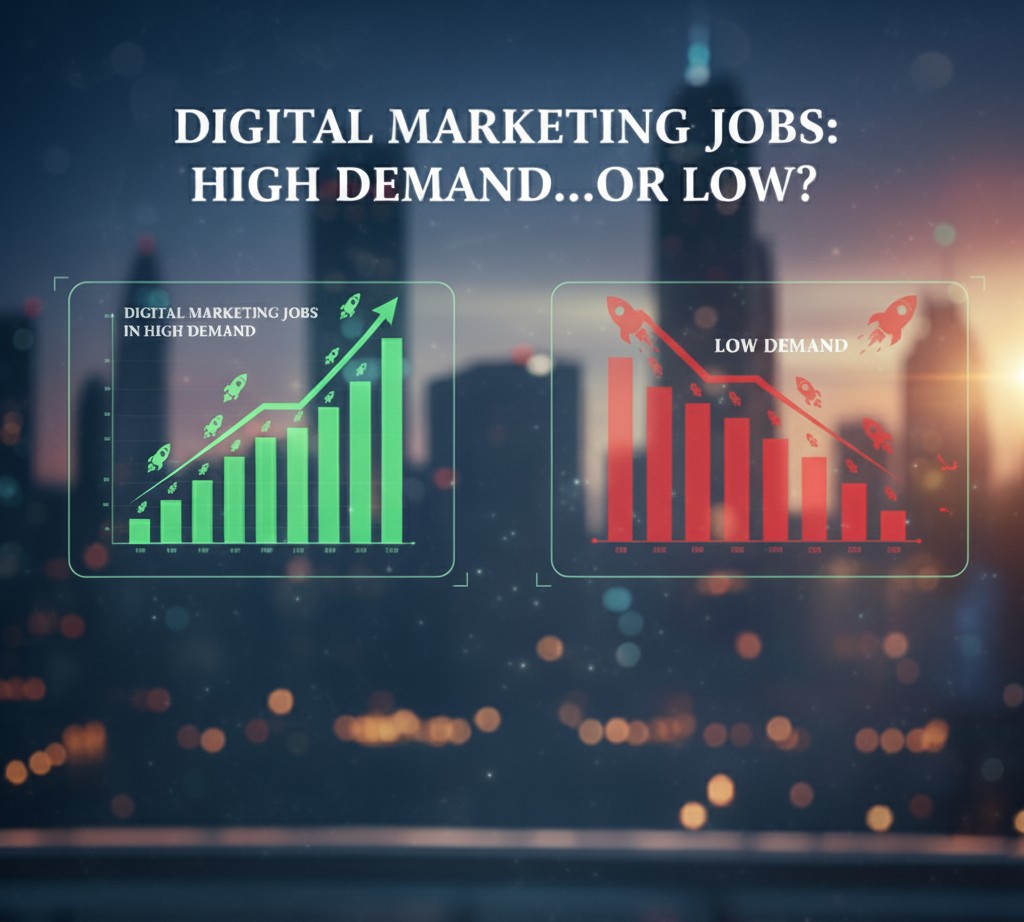
Are Digital Marketing Jobs in Demand?

Are Digital Marketing Jobs in Demand in 2025? Are you Curious about the demand for digital marketing jobs in 2025?Explore the increasing job opportunities, salary expectations, and career growth for both newcomers and experienced professionals in the digital marketing field. If you’ve been searching for a job or browsing LinkedIn, you’ve likely noticed that digital marketing positions are everywhere.From small companies to large brands, organizations are actively looking for individuals who can handle SEO, Social Media, Paid Advertising, and Content Creation. However, the real question is: are these digital marketing jobs actually in demand, or is it just a trend? Spoiler alert: these jobs are not just in demand—they are on the rise. Why Digital Marketing Jobs Are in High Demand ? The shift from traditional to digital media has changed how businesses interact with customers.With more people spending time online for shopping, learning, and entertainment, having a strong digital presence is no longer optional—it’s essential. Here’s why the demand for digital marketing jobs is growing rapidly: Popular Digital Marketing Job Roles in 2025 Digital marketing is not a single job—it includes a variety of career paths.Some of the most sought-after roles include: Salary Trends and Career Scope One of the main reasons people choose a career in digital marketing is the potential for good earnings.Unlike many traditional jobs, your salary largely depends on your skills and the results you deliver rather than the degree you hold. In India, entry-level positions start at around ₹3–5 LPA, while those with 3–5 years of experience can earn ₹8–15 LPA or more. In the US and UK, salaries are significantly higher, with mid-level digital marketers earning approximately $60,000–$90,000 per year. The best part of this field is that freelancing and remote work are common, providing more flexibility and access to global opportunities. Future of Digital Marketing Careers Will digital marketing continue to be relevant in the future?Definitely. The only thing that will change is the platforms and strategies used. A few years ago, TikTok was not even a major player, but now it’s a key marketing channel. AI and automation are making marketing campaigns more efficient, but they still require skilled professionals to manage and optimize them. New roles such as AI marketing strategist and influencer partnership manager are already becoming part of the industry. As long as businesses seek growth, there will always be a need for digital marketers. Final Thoughts If you’re considering a career in digital marketing, now is an excellent time to start.The demand is strong, the salary potential is attractive, and the industry continues to evolve. The only thing you need to succeed is a solid set of practical skills and the ability to stay current with emerging trends. In short: digital marketing is no longer just a job option—it’s a career path with a promising future.

Scroll to Top